No Results
Try adjusting your search, Here are some ideas:
- Change your Schedule
- Remove some Filters

No Results
Try adjusting your search, Here are some ideas:

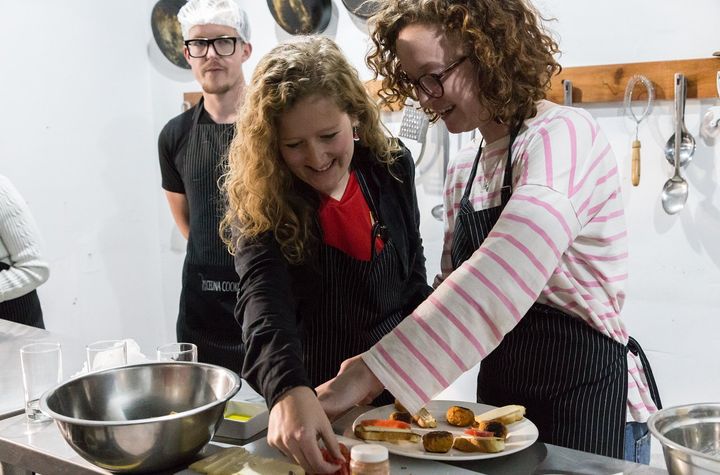
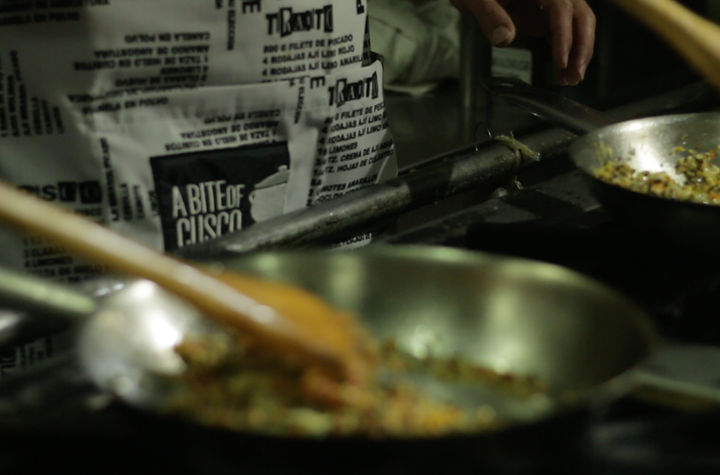
Many classes in Cusco teach iconic dishes such as cuy, quinoa‑based soups, aji de gallina, and freshly made tamales. Local markets provide ingredients for each recipe.
Yes! Some programs combine a guided tour of San Pedro Market with hands‑on street‑food workshops, letting you learn how to make anticuchos, empanadas, and other local staples.
Yes, most reputable studios offer vegan, halal, and gluten‑free alternatives, replacing meats with fresh vegetables, quinoa, or beans while keeping the traditional flavor profiles.
A typical session lasts about 3 to 4 hours, including prep, cooking, tasting, and a brief cultural talk. Groups usually range from 4 to 8 participants, making it easy to ask questions.
Most cooking schools in Cusco offer instruction in Spanish and English; many also provide French, Italian, or German. English explanations are common, especially in tourist areas.
It’s customary to remove shoes before entering the kitchen, respect the “la hora de la comida” schedule, and be prepared for mild to moderate spice levels—aji amarillo is standard. Polite gestures and a willingness to learn are appreciated.
During the harvest season (May–August), chefs incorporate fresh quinoa, pumpkin, and corn into dishes. In October, the Inti Raymi festival inspires special menus featuring roasted lamb and huarazú.
Solo travelers quickly make friends during the shared cooking experience. Couples enjoy the romantic 'papa a la huancaína' tasting, while families get hands‑on time making colorful tamales. The surprise? A live demonstration of how to wrap a tamale with fresh coca leaves.
© Cookly 2015-2026
Minimum
Maximum