No Results
Try adjusting your search, Here are some ideas:
- Change your Schedule
- Remove some Filters

No Results
Try adjusting your search, Here are some ideas:

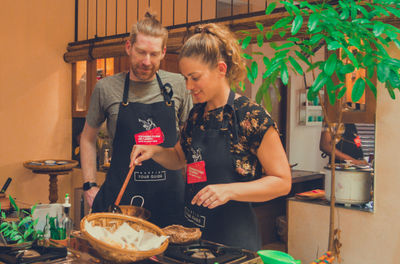
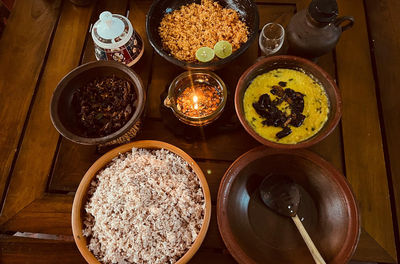
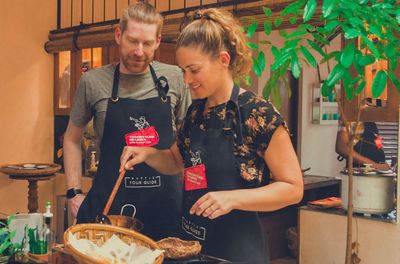
Rustic cooking class was more than I had hoped for. My teacher/host meandered through an amazing farmer’s market with me, patiently identifying fruits snd vegetables that were new to me and stopping for tastes. We built our cooking menu around the market’s offerings, ie, jackfruit curry, chicken curry with coconut milk, cinnamon and chilis, coconut sambal and coconut roti. Wood apple juice and Lion beer ti drink. We cooked in clay pits in Nim’s beautiful home while monkeys played in the trees. It was a wonderful and authentic cultural exchange and extremely delicious! A top experience if my trip!
In a cooking class in Sri Lanka, you'll often learn to make traditional favorites like hoppers (appa), string hoppers (kottu), rice and curry, kottu roti, and fresh seafood curries, along with coconut sambol and sweet treats such as kavun (mango) desserts.
Yes, many cooking schools in Sri Lanka offer vegan, halal, and gluten‑free options, letting you explore the island’s flavors without compromising dietary needs.
Classes usually run for 2–3 hours, with groups of 4–8 people, and most instructors speak English, Tamil, or Sinhala to accommodate international travelers.
It’s customary to remove shoes before entering the kitchen, respect the chef’s guidance, and be prepared for a spice level that can range from mild to fiery—just ask for a milder version if needed.
Absolutely—many programs combine a morning market walk with a hands‑on street‑food session, letting you pick fresh ingredients and learn how locals prepare dishes on the go.
Yes, several cooking schools design kid‑friendly classes where children can help stir, taste, and learn about Sri Lankan spices in a safe, supervised environment.
During the Sinhala and Tamil New Year or Vesak celebrations, you can learn to make festive sweets like kavun kithul sweets or traditional New Year rice dishes that reflect the island’s cultural heritage.
The moment you bite into a hot hopper, you’ll feel the crisp edge and the subtle coconut aroma—an unforgettable experience that showcases the island’s culinary soul.
© Cookly 2015-2026
Minimum
Maximum