No Results
Try adjusting your search, Here are some ideas:
- Change your Schedule
- Remove some Filters

No Results
Try adjusting your search, Here are some ideas:

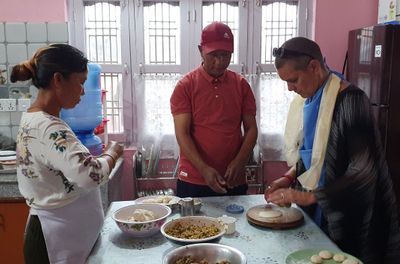
I absolutely loved my experience from start to finish. What started off with a mini tour through the city en route to the class turned in to quickly becoming a part of the family (or so it felt like in my heart). I enjoyed making Momo and having the pleasure of getting to know Ramana and Narbu beyond just the cooking class. I highly recommend coming to visit them if you want a hyper localized experience with superb flavors. 2923827282 stars, not just 5!
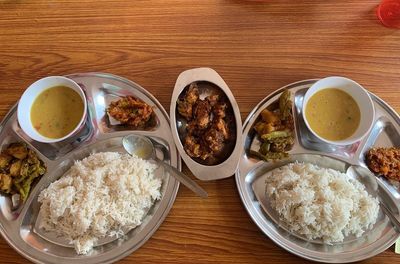
We asked for a Dal Bhat cooking class. We book the class the same day and they were very helpful. We had such a nice time during the cooking class, we received a lot of great advice from everyone in the family. We highly recommende it
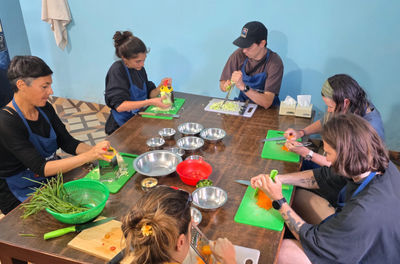
In a cooking class in Pokhara, you’ll often learn how to make classic Nepali staples such as momos (steamed dumplings), dal bhat (lentil soup with rice), gundruk (fermented leafy greens), and sel roti (sweet rice bread). Many classes also include a quick lesson on how to prepare a spicy momo filling or a traditional Nepali curry that reflects the region’s Himalayan flavors.
Yes, many cooking schools in Pokhara offer vegan and gluten‑free alternatives. You can request a plant‑based momo filling, swap wheat flour for millet in sel roti, or ask for a dairy‑free curry. Instructors are usually happy to adjust recipes to accommodate dietary needs while still showcasing authentic Nepali flavors.
A typical cooking class in Pokhara runs for about 2 to 3 hours, including a brief market walk, hands‑on cooking, and a shared meal. Group sizes are usually kept small—between 6 and 10 participants—to ensure everyone gets personalized attention and a chance to practice their new skills.
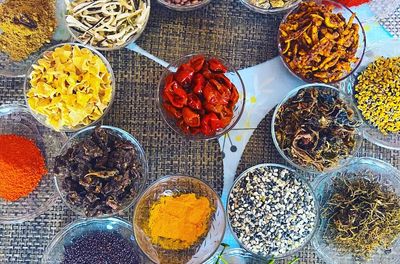
Absolutely! Many cooking studios in Pokhara offer street‑food packages that start with a guided walk through Kaski Bazaar, where you’ll pick fresh herbs, spices, and local produce. After the market tour, you’ll head back to the kitchen to recreate popular street snacks like momo, sel roti, and a quick Nepali tea.
Most cooking classes in Pokhara are taught in English, but many instructors also offer sessions in Nepali or Hindi. Some schools provide subtitles or bilingual instruction, so you can comfortably follow along regardless of your language preference.
When you’re in a Nepali kitchen, it’s customary to remove your shoes before entering, especially if you’re staying in a homestay or local home. Respect the host’s cooking style, ask before using unfamiliar spices, and remember that Nepali meals are often shared, so be prepared to taste and appreciate the communal dining experience.
Pokhara’s culinary scene comes alive during festivals like Dashain and Tihar, when special dishes such as gundruk soup and sweet sel roti are prepared. Some cooking schools schedule seasonal classes around these festivals, giving you a chance to learn how to make festive dishes and understand their cultural significance.
Solo travelers can use cooking classes as a great ice‑breaker—most groups welcome new faces and encourage mingling. Couples often enjoy a romantic, hands‑on cooking experience followed by a shared Nepali dinner. Families with kids benefit from interactive, child‑friendly classes that teach simple dishes like momos or fruit salads, and many instructors provide a safe, supervised environment for young cooks.
© Cookly 2015-2026
Minimum
Maximum