Black Friday 10% off every cooking class, until 30 November 10% off every class

Zen Temple Cuisine & Mindfulness: A One-Day Japanese Cultural Experience

5,0 5 Bewertungen dieses Kurses
Beginn
10:00
Dauer
5 hours
Gruppengröße
1–8 Gäste
Sprache
English, Japanese
Dauer
5 hours
Gruppengröße
1–8 Gäste
Sprache
English, Japanese
Beginn
  • 10:00
  • Kostenlose Stornierung bis 48 Stunden vor Beginn
  • Rezeptheft zum Mitnehmen
US$71 pro Person
1 · Datum wählen

2 · Startzeit wählen
3 · Gäste
Gäste US$71
1
US$ 71
Weiter zur Buchung
  • ✓ Kostenlose Stornierung bis 48 Std. vorher
  • ✓ Sichere Zahlung
Privat- oder Gruppenbuchung

Was Gäste lieben

  • Authentic Buddhist vegetarian cuisine
  • Detailed Zen and food explanations
  • Dishes pair well with sacred sake
  • Long‑simmered, fresh vegetable flavors

Basierend auf aktuellen verifizierten Bewertungen

Das kochst du

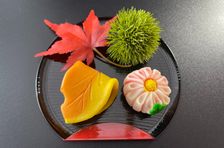
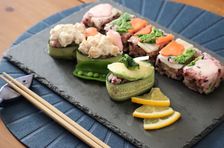
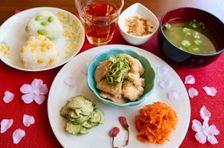
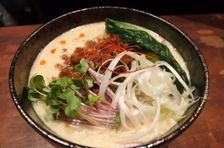
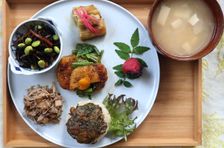
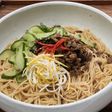
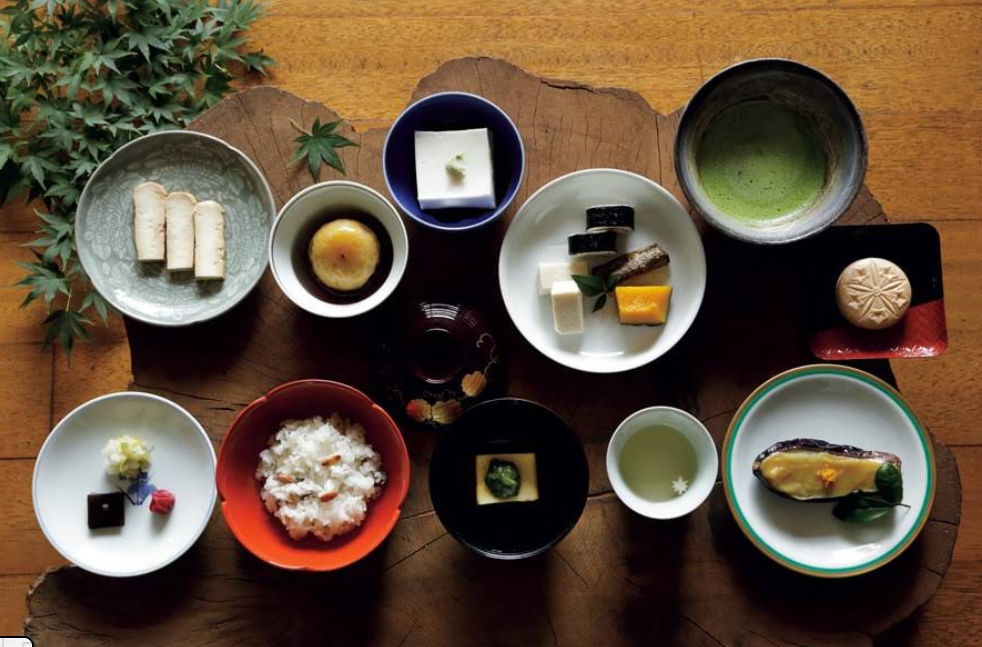
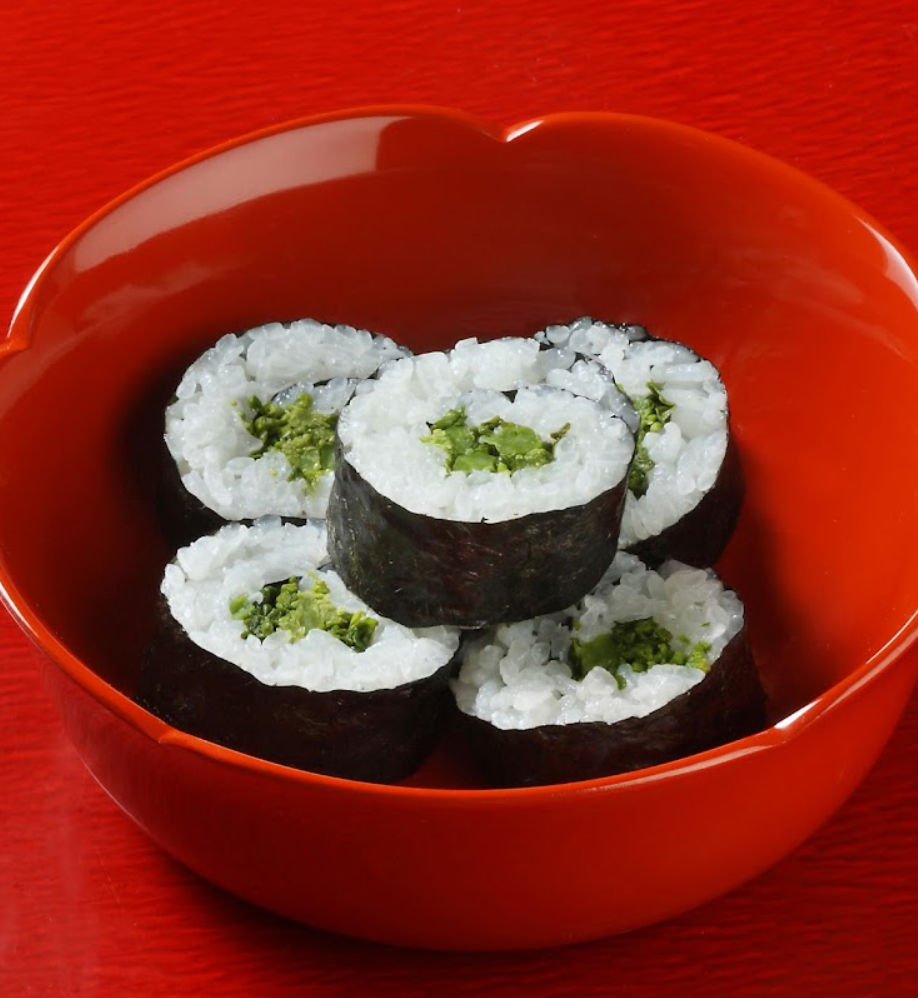
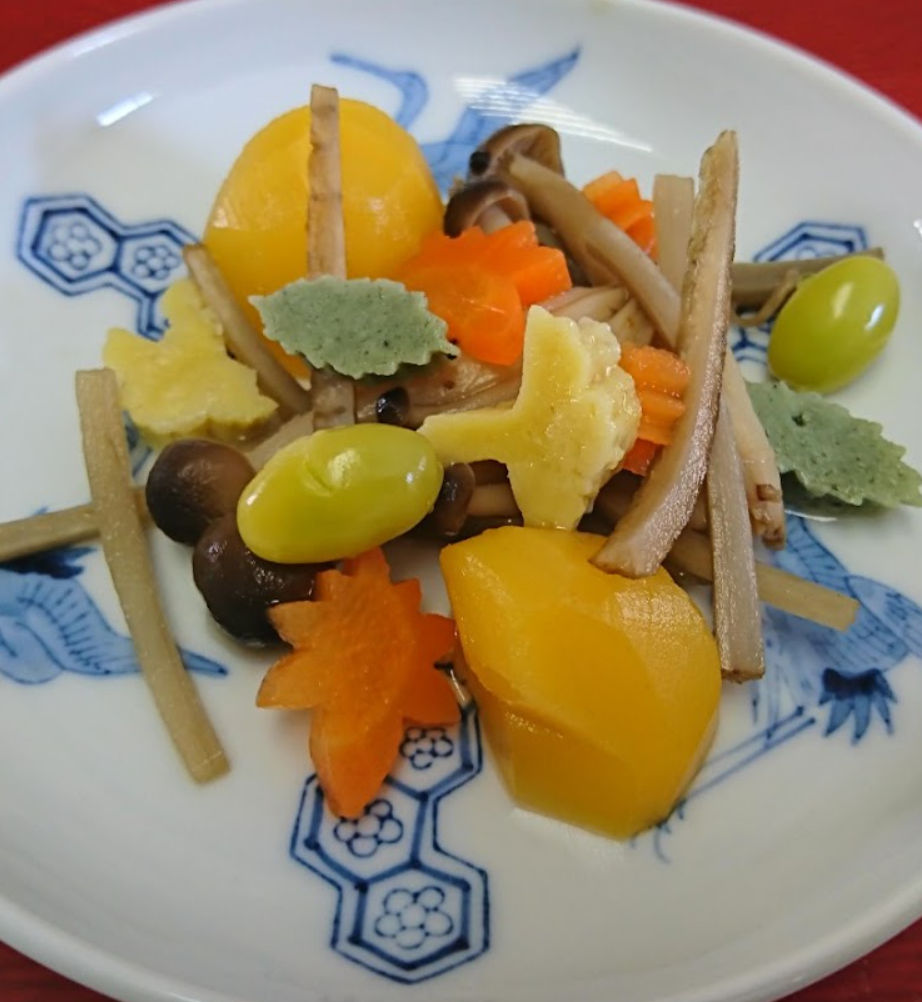
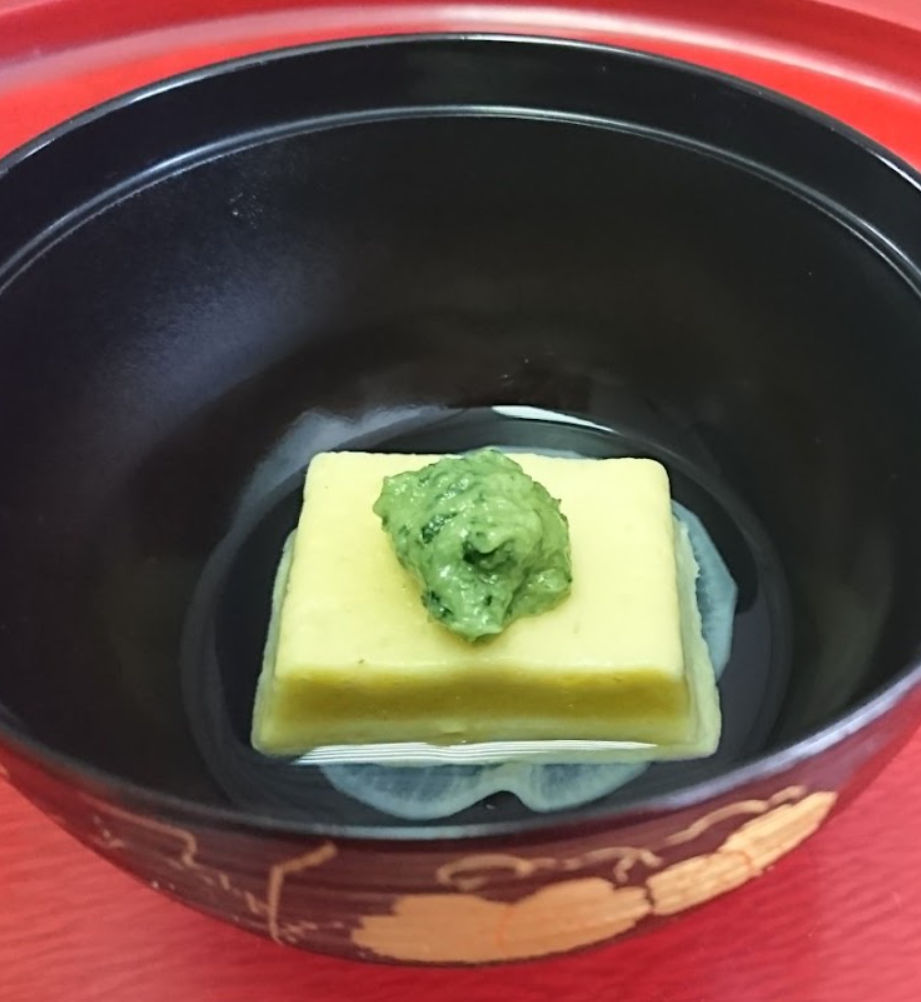
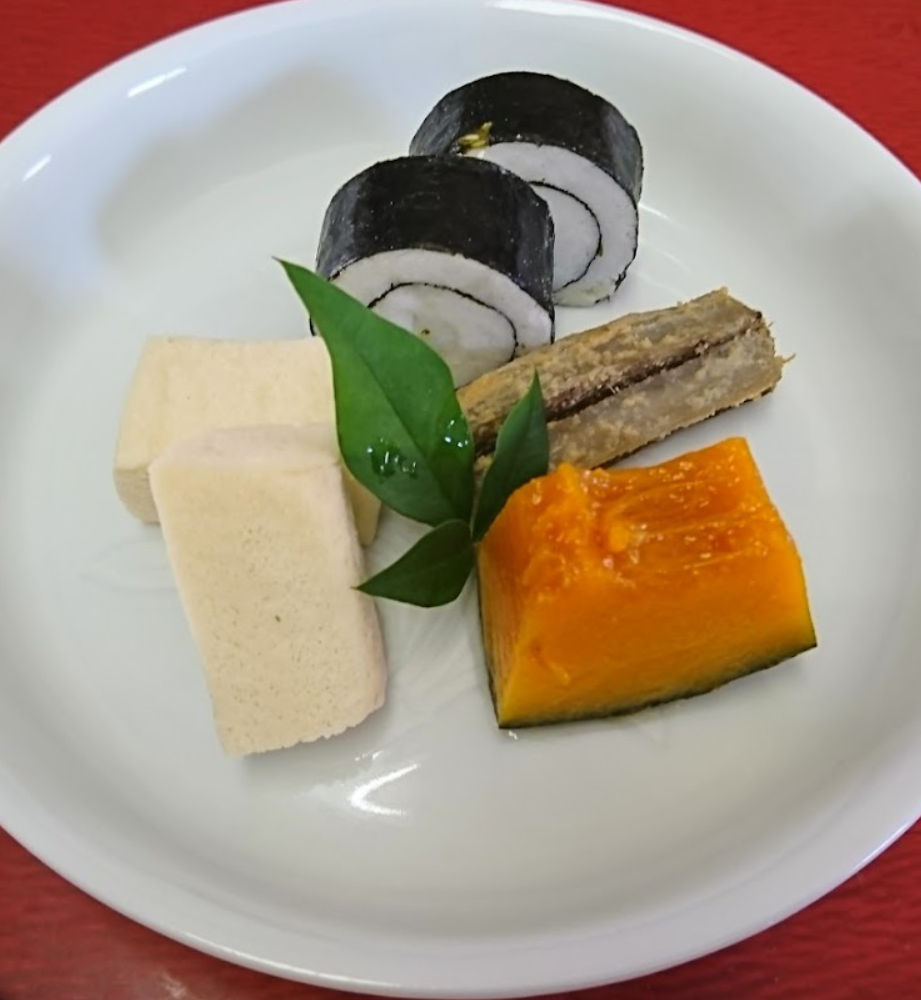
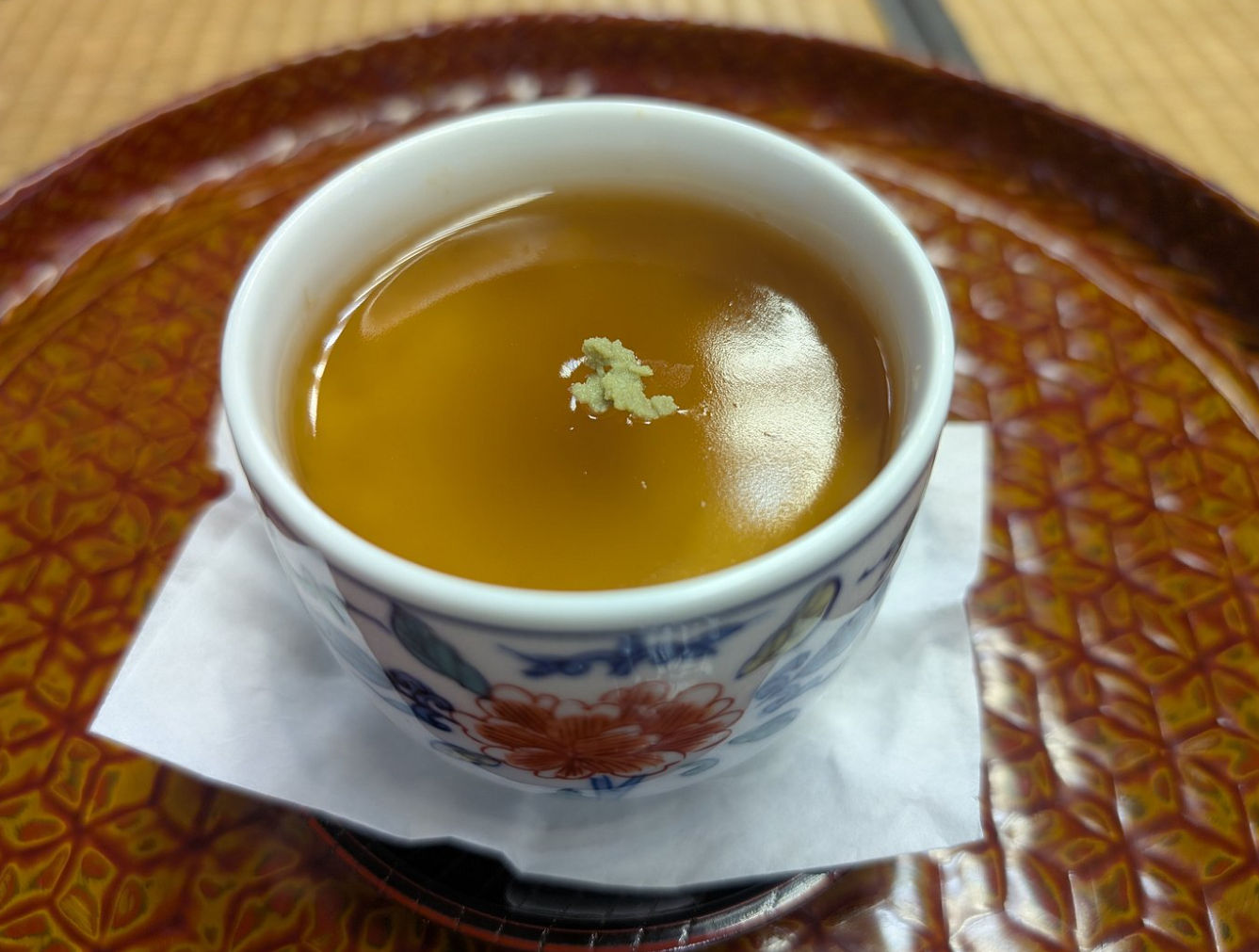
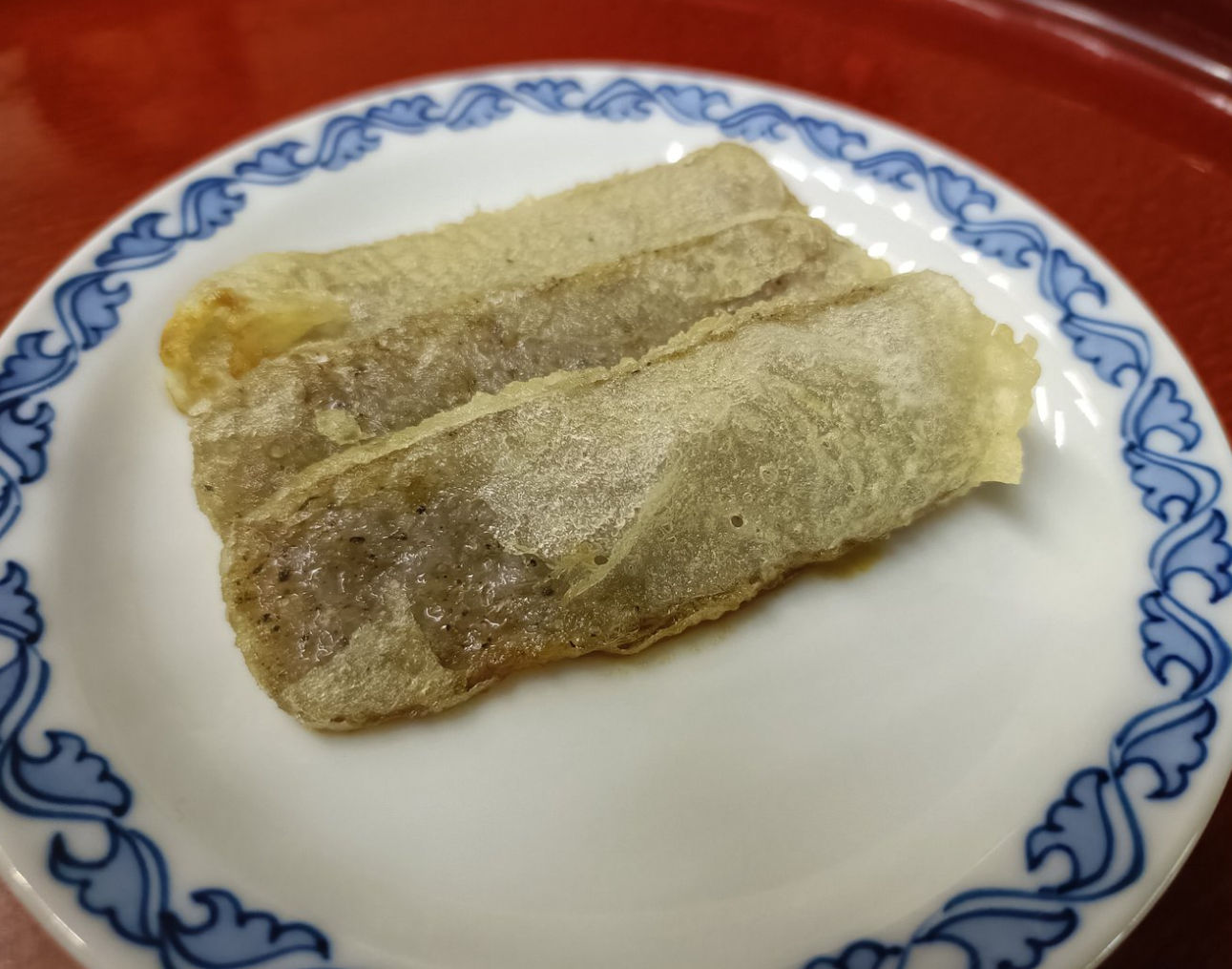
Seasonal Zen Temple Cuisine (Shojin Ryori)

  • Seasonal Vegetable Dishes – Prepared with fresh, locally available vegetables and ingredients selected according to the season.

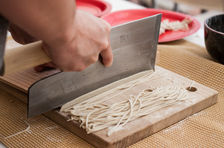
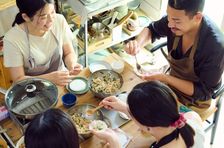
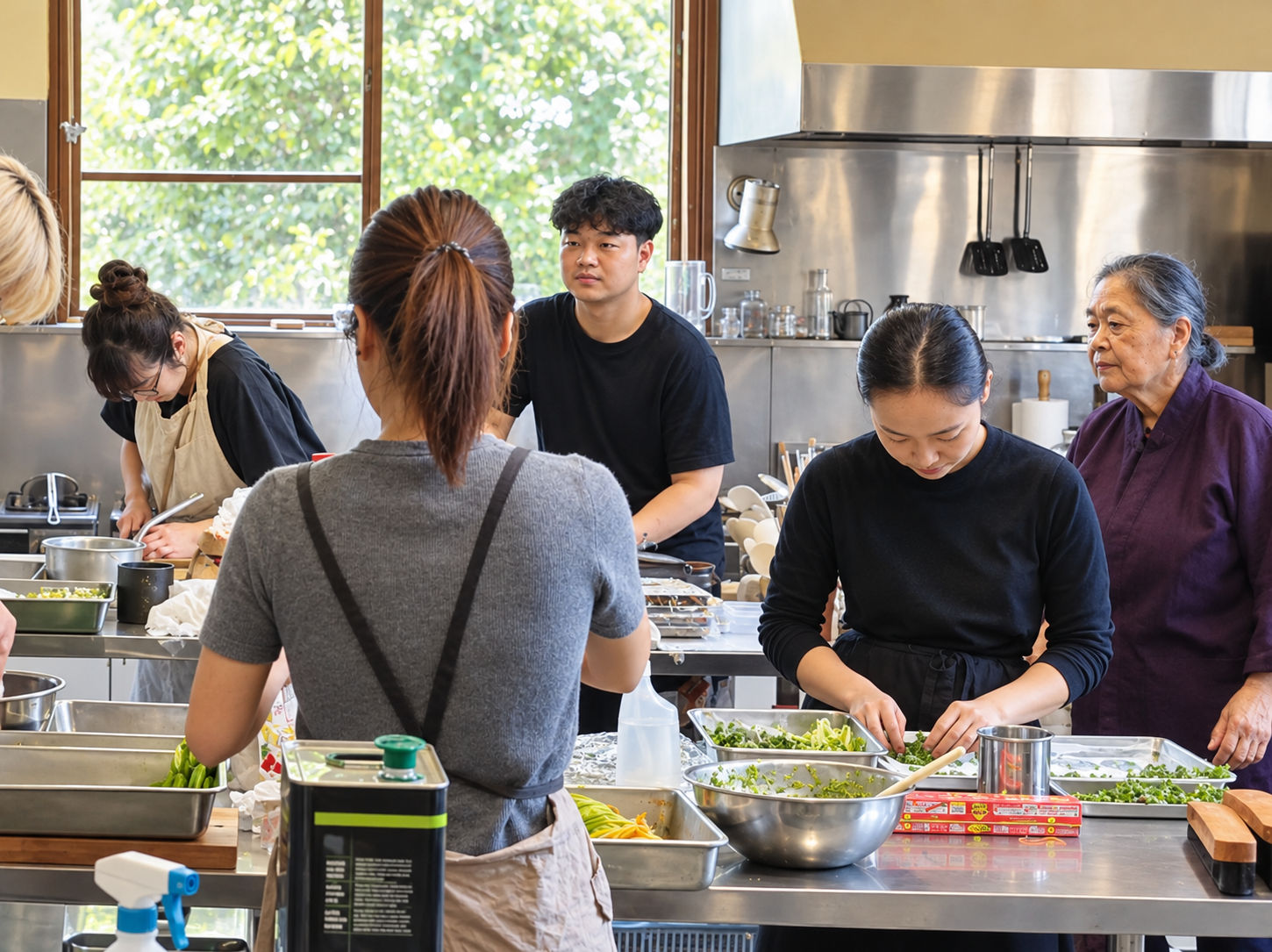
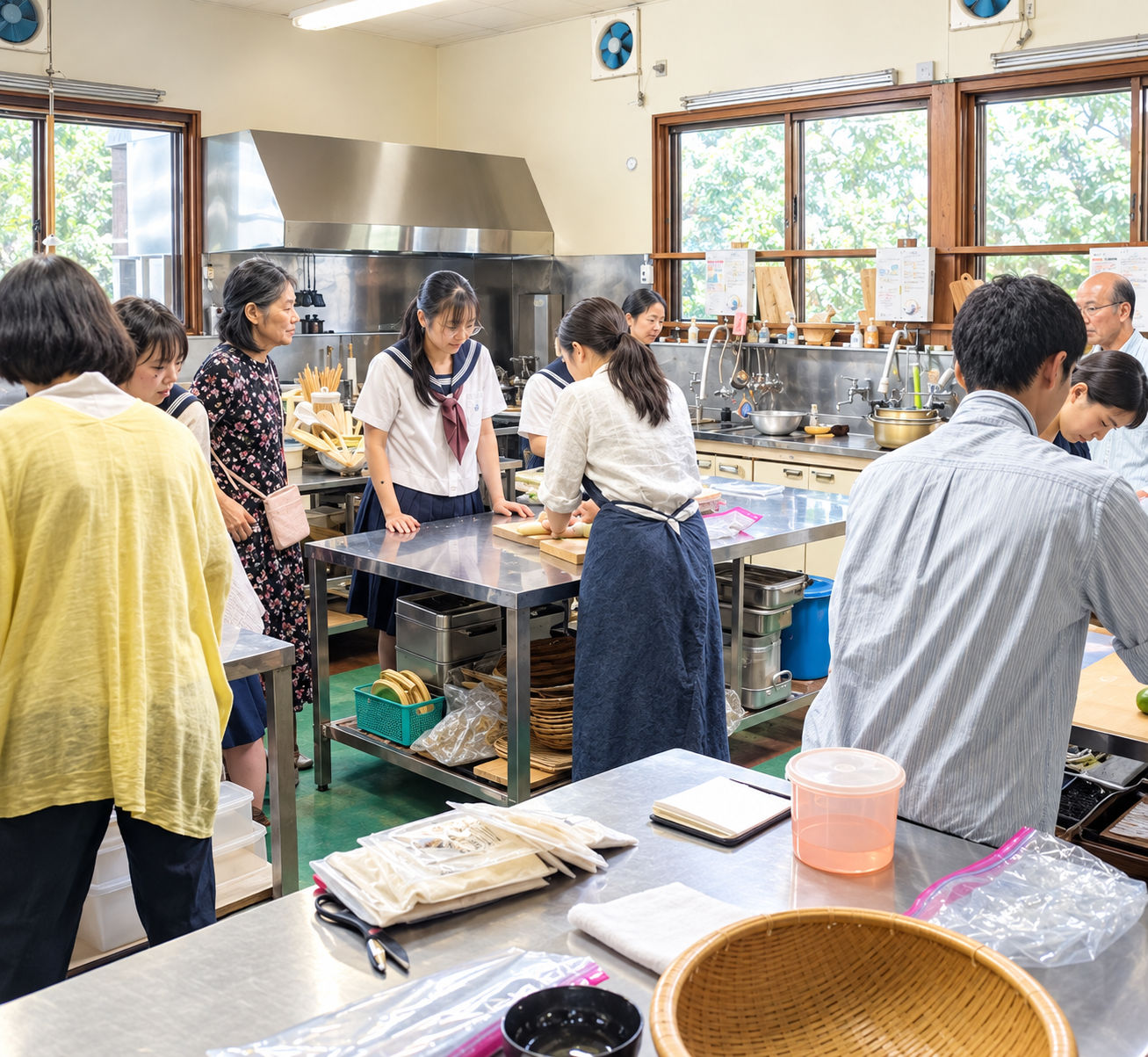
  • Mindful Cooking Experience – Participate in preparing simple, nourishing dishes guided by the ingredients available on the day.

  • Zen-Inspired Temple Meal – Enjoy a humble, plant-based meal inspired by Japanese Buddhist culinary traditions and mindful eating.

Please note:

The menu is not predetermined and may vary depending on seasonal ingredients, weather, and availability. Recipes are not provided, as the experience emphasizes mindfulness, observation, and learning through practice rather than following fixed instructions.

So läuft es ab

  • Temple Walk & Samu-Zen – Begin with a mindful stroll around the temple grounds to appreciate the surroundings and practice mindful awareness.
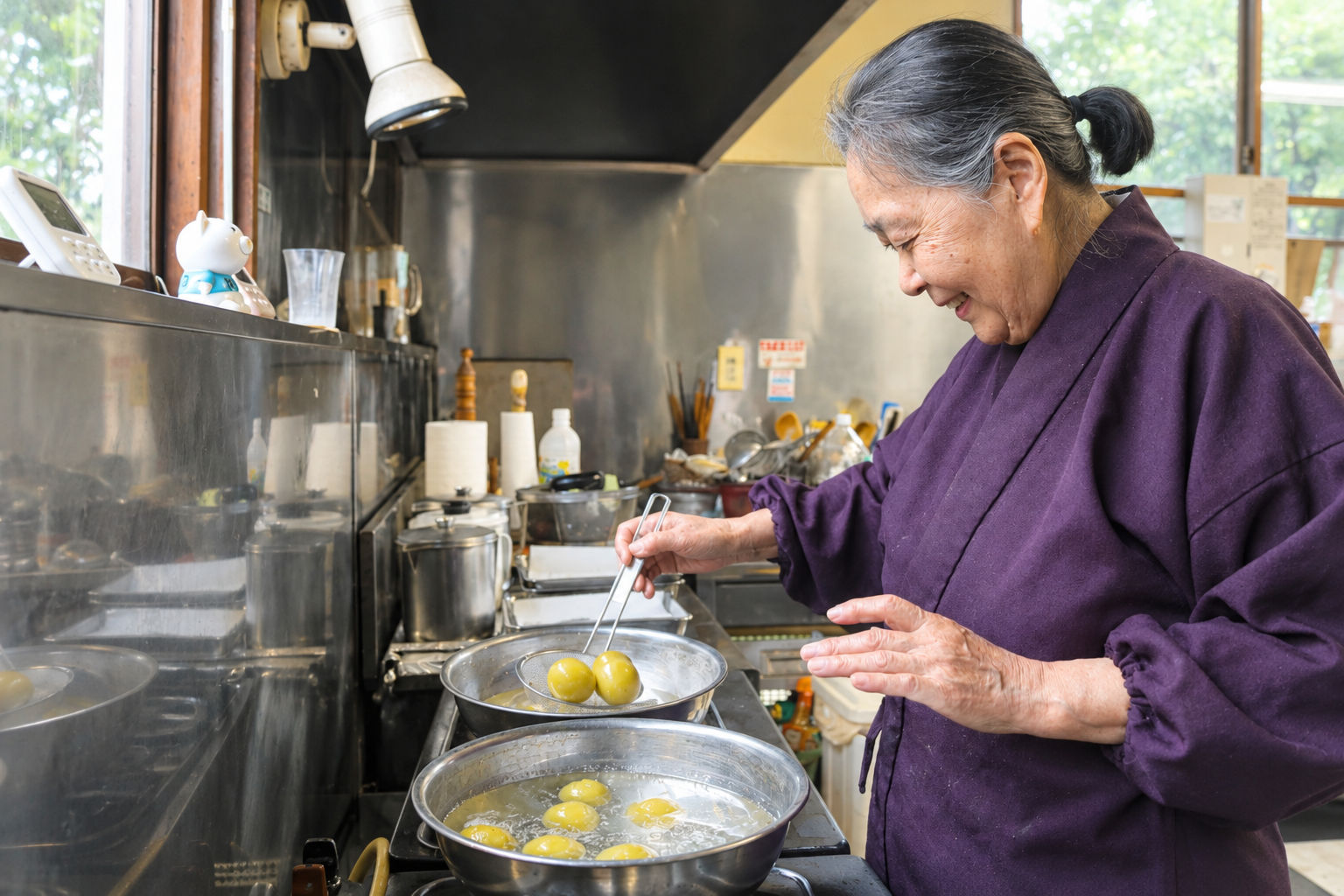
  • Seasonal Ingredient Exploration – Discover fresh ingredients selected by Ms. Kaharu Nishii based on seasonal availability and the day's conditions.
  • Zen-Inspired Cooking Practice – Participate in a flexible, hands-on cooking experience guided by mindfulness and the ingredients available, without fixed recipes.
  • Mindful Temple Meal – Prepare and enjoy a simple, nourishing meal inspired by Zen practice, focusing on gratitude, awareness, and the deeper meaning of food.

Please note: Activities and dishes may vary depending on the season, weather, and available ingredients.

Treffpunkt

Die genaue Adresse wird in deiner Buchungsbestätigung mitgeteilt.

Bewertungen dieses Kurses

AnonymousAlleinreisend Oktober 2026

A Meaningful Cultural Cooking Experience

I was fascinated by Sankoin's rich temple heritage and its traditional Shojin Ryori cuisine. Learning about the history and cultural significance behind these dishes made the experience even more meaningful and gave me a deeper appreciation for Japanese culinary traditions.

吉野量哉Alleinreisend Oktober 2026

A Delicious Introduction to Buddhist Vegetarian Cuisine

My first time trying vegetarian Buddhist cuisine
It was truly delicious
I'll come back with my family next time.

かねこFamilie September 2026

Healthy and delicious no matter what

A quantity and taste that even men can be satisfied with
It's surprising that I can drink alcohol.
This is not a deception; they say that alcohol is legitimate in the nunnery.
They say it's fine to drink the offerings given to the gods because you're going to use them in cooking.
And the alcohol is really delicious!
And dishes that go well with alcohol!
Even if it's not heavily seasoned, you won't know why until you experience it!

しろしMit Freunden August 2026

Japan's only Gosho-ryu Shojin Ryori

It is certain that it is the most delicious Buddhist vegetarian cuisine in Japan!
That's all.
For some reason, it's becoming unknown in modern times, but there are no other options, Shojin Ryori!

かねこ April 2026

The only Hime-shojin dish in Japan is too delicious

Buddhist vegetarian dishes for nuns with nothing but satisfaction.

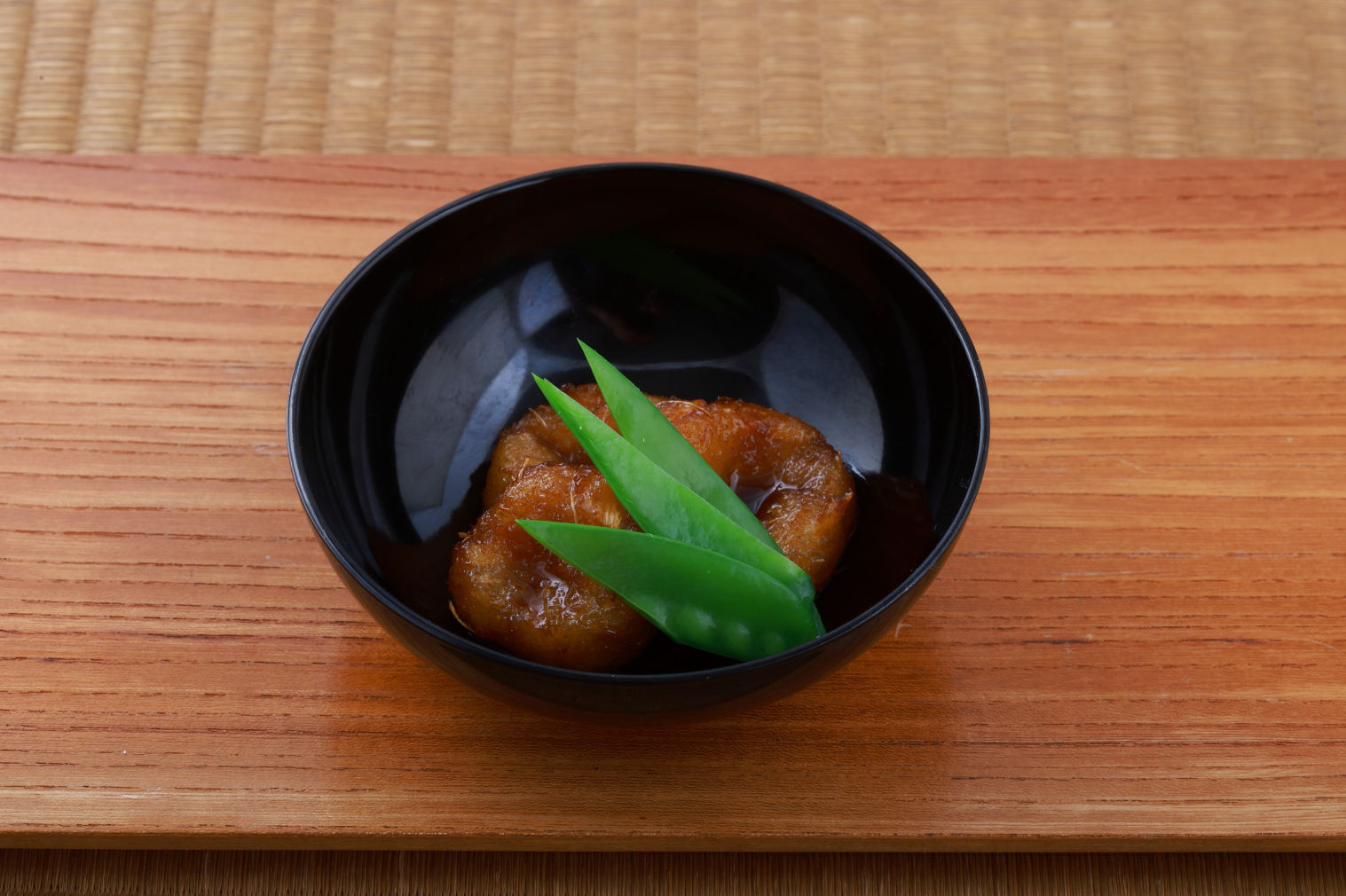
The Gosho school does not use soup stock for simmered dishes.
If you use dashi, it will taste like dashi and erase the original taste of vegetables. Sure.

The gyuho is excellent. They spend more than three and a half hours simmering every day. We only use the simmered on the day.

Many dishes go well with alcohol.
Sanko-in Temple has inherited the culture and events of the Bhikkhu-ni-gosho, and since the deity is enshrined as well as Buddha, there is a sacred sake culture, and alcohol is used not only for drinking but also for cooking.

The smoked food is excellent, and you can also make a souvenir by making a reservation in advance. This is a must.

If you ask for it at the time of booking, they will also explain the food and Zen, and the price will not change. However, when there are guests from overseas, there is a fee for interpretation.
It's not enough to hire an interpreter.

Über diesen Kurs

Lerne deinen Gastgeber kennen

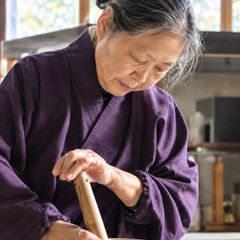
Kaharu Nishii

Kaharu Nishii

Sie ist eine japanische Kulinarikexpertin und Nachfolgerin der jahrhundertealten Takenogosho-ryu Shojin Ryori-Tradition des Sankoin-Tempels. Mit ihrer Erfahrung in der französischen Küche und jahrzehntelanger Beschäftigung mit traditioneller buddhistischer vegetarischer Kochkunst vermittelt sie die Kunst der saisonalen Tempelküche durch achtsames Kochen und kulturelle Erlebnisse.

Gut zu wissen

Stornierung

Full refunds will be issued for cancellations made at least 48 hours prior to the activity.

Buchungsbestätigung

Du erhältst die Bestätigung deiner Buchung innerhalb von 24 Stunden.

Highlights

  • ✓ Fresh Local Ingredients
  • ✓ Learn Zen-inspired techniques
  • ✓ Small intimate class
  • ✓ Take home recipe booklet
  • ✓ Tranquil cooking atmosphere
Menu×